Time:
Commissioning stands as one of the most vital stages in the life of a CIP gold plant. It makes sure that all systems, equipment, and processes work just as planned. This phase links the end of construction to full production. It turns fixed structures into a working site that can steadily extract gold. Engineers check mechanical strength during this time. They adjust instruments and test control setups under real conditions. Spotting problems early, like pump breakdowns or mistakes in adding reagents, cuts down on stoppages. It also avoids expensive delays when regular operations start.

The difficulty in commissioning comes from combining mechanical, electrical, and chemical parts. These must operate smoothly together. Mechanical setups, including crushers, mills, and stirrers, need exact alignment with control systems for steady flow. Electrical power supply has to handle changing demands during tests. Chemical lines require precise adjustment to keep cyanide levels and pH steady. Teams from different fields—process engineers, electricians, instrument experts, and safety personnel—must work closely during trials. Plus, meeting safety rules and environmental guidelines adds extra challenges to managing the commissioning.
A solid process layout decides how well a CIP gold plant moves from commissioning to normal running. The gold CIP method has seven main steps. These include preparing leaching pulp, cyanide leaching, carbon adsorption, desorption of gold-loaded carbon, electrolysis for muddy gold, recycling de-gold carbon, and handling leaching pulp. In real use, crushing and milling ready the ore for leaching. They reduce particle size for better surface contact. Then, cyanide leaching dissolves gold into liquid for sticking to activated carbon. The loaded carbon gets stripped to retrieve metal gold via electrolysis. After that, it cycles back into the setup.
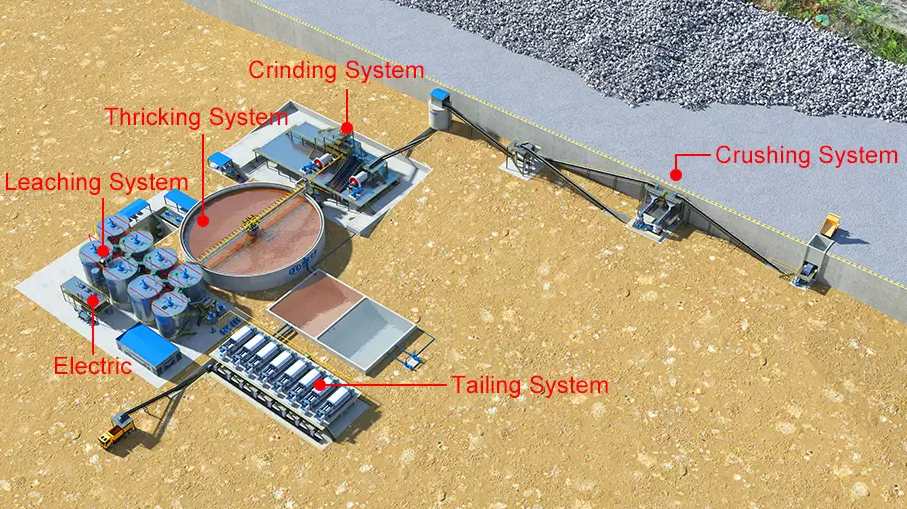
Choices made in project planning greatly shape readiness for operations. Badly planned tanks or pipes can lead to uneven slurry movement or stagnant areas. These issues harm mixing effectiveness. Poor aeration slows leach reactions and lowers recovery by cutting oxygen transfer needed for cyanidation. Equipment size matters a lot too. Too-large parts raise energy use, while too-small ones limit output. So, matching design details to ore traits and goals is key for an easy launch.
In start-up, keeping chemical balance is a tough job for operators. Steady cyanide levels are vital for good leaching. Small changes can slow gold dissolving or waste reagents. Operators must check carbon activity often. This prevents poor adsorption that cuts recovery. Issues like foaming or buildup can block slurry in pumps and lines. If not fixed fast, they cause sudden halts.
Proper setup of flow meters, sensors, and dosing pumps gives trustworthy data in early tests. Control systems need careful adjustment to hold steady running with changing loads or ore quality. Testing automation confirms that control setups react right to targets and alerts. This is crucial for fine-tuning reagent addition or changing stir speeds as needed.
CIP plants deal with dangerous substances that create big safety dangers if not handled well. Cyanide liquids in leaching are highly toxic. They demand strict procedures and emergency plans. High-pressure pipes and moving machines require lockout-tagout steps during fixes to avoid injuries. Good airflow in work areas cuts exposure to bad gases like hydrogen cyanide from leaching.
Protecting the environment is a core part of good commissioning. Using closed water loops cuts waste and saves fresh water. Ongoing checks on tailings output ensure meeting local rules for cyanide limits. Plans for emergencies, including spill controls, must get tested before increasing speed. This prepares the site for any situation.

Skilled operators directly affect plant results after commissioning ends. Staff need to grasp basics like exact chemical dosing, pH control in leach tanks, and carbon handling for lasting adsorption. Training with simulations lets them predict system behavior in various scenarios. It avoids real stoppages or losses. Training across teams builds talk between control groups, maintenance crews, and safety staff. This supports united choices in all areas.
At Hongji Mine Machinery, we focus on creating effective CIP gold plant setups matched to clients' ore types and output aims. Our engineers offer full help—from initial studies to detailed plans and site commissioning aid. This guarantees each setup reaches top output right away.
In addition to our engineering capabilities, we have successfully delivered multiple international projects. For example, in a 150t/d gold CIL processing plant in Peru, we provided a complete solution covering crushing, grinding, leaching, and carbon adsorption systems. The project achieved stable operation with high gold recovery efficiency shortly after commissioning, demonstrating our strong ability to adapt process design to different ore characteristics and site conditions.
Hongji Mine Machinery supplies broad product ranges. These include fixed crushers like jaw crushers and cone crushers, grinding tools such as ball mills, rotary kilns, vibrating screens, and more mining gear. These combined tools let us provide ready-to-run systems tuned for both output and eco-friendliness.
Our modern automation boosts recovery by keeping tight watch on key factors like cyanide amount, pulp thickness, and carbon movement speed. It also lowers reagent use over runs. In our quality promise, we give steady technical aid during plant work. This helps clients keep reliable production with less upkeep expense.
Gold CIP is one of the methods of gold extraction by cyanidation. It is a carbon adsorption process of monovalent gold cyanide [KAu (CN)2] after the cyanide leaching of gold-bearing materials.
The duration varies depending on plant size and complexity but typically ranges from several weeks to a few months including mechanical checks, wet commissioning stages, instrumentation tuning sessions, and performance testing before reaching full operational capacity.
We combine decades of mineral processing expertise with state-of-the-art manufacturing capabilities. Our holistic approach—from equipment supply through operator training—ensures your project achieves safe start-up performance aligned with international standards while maximizing return on investment through optimized energy use and resource efficiency.
Contact Us
WhatsApp:
Email:
Leave A Message

What Is Elution in Gold Processing and Where Does It Fit? In a carbon-in-pulp or carbon-in-leach flowsheet, adsorption loads activated carbon with dissolved gold complexes. A gold elution plant sits after carbon recovery and before the gold room: it removes adsorbed gold, sends solution to electrolysis, and prepares lean carbon for reuse. Elution in gold…

A copper refinery plant receives copper that has already passed through concentration and smelting. However, this metal is not yet ready for demanding electrical or manufacturing uses. The refinery carefully prepares anodes. It then transfers copper electrochemically to cathodes. During this stage, the facility manages impurities and carefully checks the finished sheets. This exact sequence…

Submit Request

