Time:
A small-scale gold leaching plant is a compact setup built to pull gold from ore via chemical ore leaching. It fits well for jobs with scarce ore supplies or in far-off, rugged spots. The method usually mixes gold-rich rocks with chemicals that pick out gold while leaving other stuff behind.
The leaching process works great for pulling gold. A Cyanide leaching process with a Carbon in Pulp (CIP) plant suits mostly clay-like oxidized ore, flotation gold concentrate, and gravity tailings. This idea lies at the heart of small-scale mineral processing. It lets users get good results even from poor-quality ores.
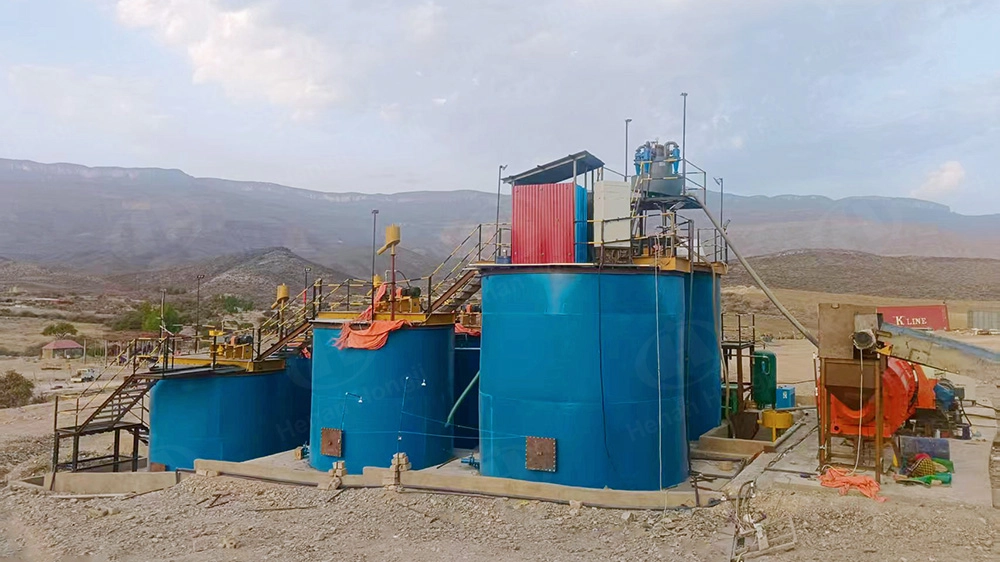
Builders make small-scale leaching plants with basic designs and small spaces. Their modular nature helps with easy setup and handling versus the old big plants. These setups often have key parts like blending vats, pumps, uptake columns, and control boxes. They aid smooth ore leaching and gold recovery.
For low-output gold mining projects, standard factory-style plants often cost too much to start and keep up. A small-scale option cuts spending but still handles effective leaching of minerals. Plus, such setups let miners adjust fast to shifting ground conditions or shift sites when deposits run dry.
Small-scale plants cut down on big building needs. They allow on-site processing right near the dig. This ease helps spread out gold production. It also keeps steady product quality. What's more, they link well with add-on crushing and grinding gear like those from Hongji Mine Machinery’s lines. This ties the whole flow from ore prep to final gold recovery.
Running in out-of-the-way spots calls for gear that moves easily but holds up strong. A usual small-scale system has add-on leach tanks, chemical feed pumps, filter parts, and dashboard controls. Workers can haul and put them together right there.
The leaching tank is the key gear for leaching. The size of the leaching tank runs about 50–100 m³. Now, it heads toward bigger sizes. Large tanks of 120–400 m³ work in factories. For tiny jobs, smaller types of these tanks use tough anti-rust materials. They mix well and break down stuff during the mineral leaching process.
Power-saving designs make far-off work possible with basic sources like diesel units or solar panels. Many plans add water reuse parts, too. This backs the green use of supplies in gold leaching.
Far-off mining brings supply issues like handling chemical deliveries and hauling fix-it parts. Trained workers matter a lot for keeping a steady mix of chemistry in chemical ore leaching steps. Also, eco checks must match area rules to follow laws in touchy wild places.
Good waste care becomes vital since dump spots might be few in far zones. Closed water loops cut pollution dangers. They also save nearby water supplies.
Cyanide leaching remains the top pick in factory and small setups alike. It shines at melting gold bits from smashed ores.
Gold CIP is one way to extract gold by cyanidation. It pulls in carbon to soak up the single-valent gold cyanide [KAu(CN)₂] after cyanide leaching of gold-bearing stuff. This method has several steps. They include pulp prep, cyanide mix-in, soak on active carbon, release, electric pull, and melt into bars.
The gold CIP process covers seven main steps: prep of leaching pulp, cyanide leaching, carbon adsorption, gold-loaded carbon desorption, electrolysis for muddy gold, de-gold carbon reuse, and handling of leaching pulp. These stages boost pull rates even in tight systems for low-volume work.

Thiourea gives quicker reactions in acidic settings than cyanide ways. It does fine on tough ores with lots of sulfur or carbon stuff. There, usual methods lose steam.
Thiosulfate acts as a harmless swap that cuts the eco risks tied to cyanidation in mineral leaching processes. Yet, it needs a tight watch on pH and chemical mix to stay steady over work rounds.
Fine-tuning work settings like heat levels, stir rates in each leaching tank industrial unit, chemical amounts, and stay times boosts pull yields in ore leaching jobs. Live-watch tools keep chemical balances steady across stages—from slurry mix to uptake. This holds firm output for different ore qualities. Gold recovery also improves.
Auto systems also sharpen chemical feeds. They cut worker effort—a big plus for small crews in far spots.
Smart waste care keeps steady green running long-term. A filter press sifts the leaching pulp. Then comes slag pile-up, and water cycles back. This way, miners reclaim useful chemicals from leftovers. It also shrinks dump amounts into nearby areas.
Reusing cleaned water boosts earth-friendly ways, key for today's mineral processing rules. It trims costs on fresh water pulls or hauls in far lands.
At Hongji Mine Machinery, we focus on custom modular systems for low-output mining with haul hurdles or rough ground. Our small-scale gold leaching plant blends top stir vats with strong anti-rust covers like those in our wide range, such as rotary kilns and ball mills.
Every system adds auto dashboard panels. They ease daily tasks for small groups—perfect for spread-out jobs that shift sites.
Our tech help goes past setup. We give full-life tips on chemical tweaks and links to current crushing or grinding loops in any gold mine plant setup. As in our win in Peru's 150 t/d Gold CIL (Carbon in Leach) plant, it handles quartz vein ores with crushers, ball mills, agitation tanks, and activated carbon columns. We offer tested fixes that fit many sizes, from test runs to moveable units.
Our cheap method ensures solid pull rates without skimping on safety or eco rules. This makes our builds top picks among China gold processing plant manufacturer choices on market spots that eye green mineral processing tech.
A: A small-scale setup generally processes between 0.5 and 10 tons per day, depending on design configuration and ore grade composition within each operation cycle.
A: Yes—our modular construction allows dismantling into transportable sections, enabling quick relocation between remote mining zones, supporting flexible production schedules aligned with resource availability.
A: Modern designs emphasize closed-loop circulation, incorporating reagent recycling units alongside water reuse systems, which significantly reduce ecological footprint relative to conventional open discharge models commonly found across older generation setups used historically within global gold production chains.
Contact Us
WhatsApp:
Email:
Leave A Message

What Is Elution in Gold Processing and Where Does It Fit? In a carbon-in-pulp or carbon-in-leach flowsheet, adsorption loads activated carbon with dissolved gold complexes. A gold elution plant sits after carbon recovery and before the gold room: it removes adsorbed gold, sends solution to electrolysis, and prepares lean carbon for reuse. Elution in gold…

A copper refinery plant receives copper that has already passed through concentration and smelting. However, this metal is not yet ready for demanding electrical or manufacturing uses. The refinery carefully prepares anodes. It then transfers copper electrochemically to cathodes. During this stage, the facility manages impurities and carefully checks the finished sheets. This exact sequence…

Submit Request

