Time:
A modern gold processing plant in 2026 uses both mechanical and digital tools. These tools help reach strong recovery rates and meet environmental rules. Main sections cover crushing, milling, leaching, adsorption, desorption, and smelting. The gold CIP process runs through seven clear steps. They are pulp preparation, cyanide leaching, carbon adsorption, desorption from loaded carbon, electrolysis for muddy gold, carbon reuse after gold removal, and final pulp treatment. These steps work together so that raw ore turns into pure gold with good efficiency.
Automation helps guide a smooth flow in every China gold processing plant. Live data screens let teams check crushing and leaching results on the spot. Waste handling now includes tailings filtration and closed water loops. These steps meet worldwide environmental rules.

Gold recovery uses several methods such as CIP, CIL, and heap leaching. CIP stands out for speed and flexibility. Gold CIP works as one cyanidation route. It adsorbs monovalent gold cyanide [KAu (CN)2] onto carbon after leaching the ore.
CIP and CIL both use carbon during cyanidation. Yet CIP keeps leaching and adsorption in separate tanks. This setup gives better control of reaction speed and cuts down on reagent waste. Heap leaching costs less for low-grade ore but yields less gold than CIP gold processing plants. The CIP mining process uses less cyanide and gives stronger adsorption because slurry conditions stay steady.
By 2026, digital tools will be changing mining work. Live analysis tracks solution chemistry inside each CIP tank. This keeps pH and reagent levels just right. AI-driven checks predict wear on pumps and agitators, reducing idle time in any CIP plant design.
New reactors save energy and work with greener lixiviants, replacing older high-power units in CIL/CIP operations. At Hongji Mine Machinery, we add smart controls to our modular CIP plant solutions. The goal is steady output even when the ore grade shifts.
Automation now sits at the core of every modern Chinese gold processing plant. IoT sensors watch slurry density and temperature all along the CIP process chain. Auto-dosing units add reagents at exact rates during cyanide leaching. This lowers chemical use.
Remote screens let supervisors watch whole sites from one place. Safety improves, and output per worker rises. Our company follows this path. We place intelligent modules inside our CIP gold plant setups. These modules match Industry 4.0 rules.
Sustainability shapes new CIP gold processing facilities. Safer lixiviants replace old cyanide solutions and still keep recovery high. A filter press cleans the pulp. Slag goes to storage while water returns to the circuit. This loop cuts fresh water needs and lets tailings yield extra metal.
Hongji Mine Machinery's engineering teams focus on durable solutions, using improved tailings units and following the vacuum disc filter principle to minimize harm to nearby land and water.

Green power forms a key part of the plant layout across China's gold processing plants. Solar mills and heat recovery units lower energy use per ton. Full life-cycle checks guide choices from crushers to rotary dryers. Every component operates with reduced emissions throughout its lifecycle.
Digital tools trim running costs by smoothing the path from crushing to leaching. This lowers the cost per ounce in every CIP plant. Forecast models cut reagent waste and stretch equipment life with timely service alerts.
Better yields from tuned adsorption and desorption cycles lift profit margins. The gains appear in all sizes of CIP plant gold units, from small modules to large plants.

Investors now favor green mining gear from leading Chinese gold processing plant manufacturers such as Hongji Mine Machinery. Growth shows in Africa and South America, where CIL/CIP hybrid lines scale well.
Rules that reward clean tech keep drawing funds to responsible mineral plants worldwide.
For more than 10 years, our design group has handled mineral work, civil builds, power, automation, drawings, water systems, tailings, and environmental plans. This know-how lets us supply full CIP plant solutions. They fit many ore types such as oxidized ores, flotation concentrates, and gravity tailings.
The cyanidation method works well for gold recovery. We use modular builds that grow from pilot units to large daily tonnage. Energy-saving rotary kilns and dryers from our line keep emissions low.
Reliability is demonstrated by real sites achieving high recovery, with two notable examples.
Our setups fit many ground conditions. Each plant stays solid in tech and cost while following global green standards.
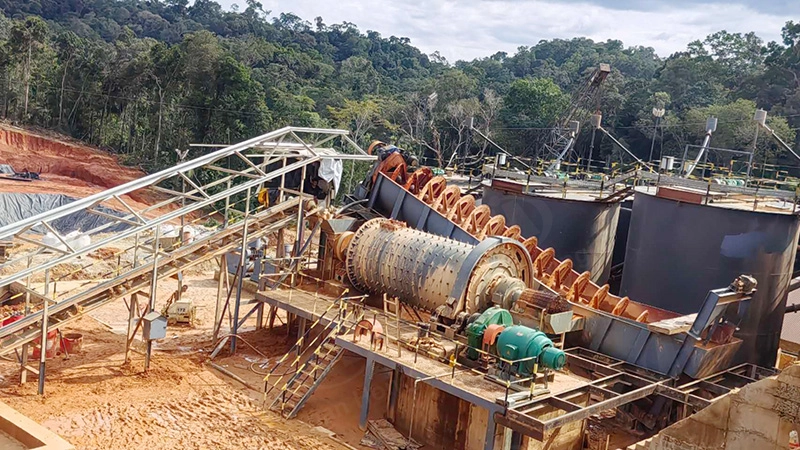
A: A gold processing plant pulls metal from ore. It starts with crushing and grinding, then moves through leaching and carbon adsorption inside CIP tanks. Next come desorption and electrowinning, followed by smelting into bars.
A: The CIP gold process raises total recovery. Dissolved gold-cyanide complexes move straight onto carbon before any solid-liquid split. This cuts losses seen in heap leaching or CIL-only lines.
A: Key points include ore makeup to pick the best route such as flotation or gravity first. The power supply must support steady milling, and water plans should follow closed-loop reuse, while complying with local regulations. Automation with IoT helps plan service for crushers and rotary dryers.
Contact Us
WhatsApp:
Email:
Leave A Message

What Is Elution in Gold Processing and Where Does It Fit? In a carbon-in-pulp or carbon-in-leach flowsheet, adsorption loads activated carbon with dissolved gold complexes. A gold elution plant sits after carbon recovery and before the gold room: it removes adsorbed gold, sends solution to electrolysis, and prepares lean carbon for reuse. Elution in gold…

A copper refinery plant receives copper that has already passed through concentration and smelting. However, this metal is not yet ready for demanding electrical or manufacturing uses. The refinery carefully prepares anodes. It then transfers copper electrochemically to cathodes. During this stage, the facility manages impurities and carefully checks the finished sheets. This exact sequence…

Submit Request

