

What Is Gold Froth Flotation and How Does It Work? The Basic Concept Behind Froth Flotation Froth flotation is a basic process in mineral processing. It separates useful minerals from waste rock by surface chemistry. In gold production, this method plays a key role in concentrating fine gold particles. These particles are often hard to recover…

What Is the Gold Flotation Process in Modern Mining? How Does Flotation Separate Gold from Ore? The gold flotation process is a modern mineral separation method. It uses chemical agents and air bubbles to pull out valuable gold-bearing minerals from waste rock. These methods are part of modern hydrometallurgy techniques. In this method, water-repelling bits stick to air…
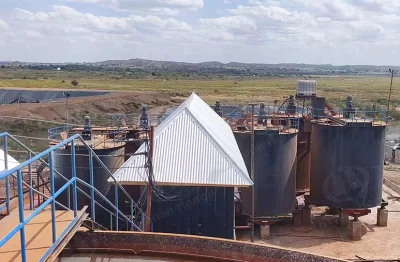
What Is a Gold Leaching Plant and How Does It Work? The Basic Concept Behind Gold Leaching Gold leaching serves as a hydrometallurgical method that pulls gold from ore with the help of chemical agents. Basically, it works by dissolving gold into a liquid through oxidation and complexation reactions. These reactions often use cyanide or…
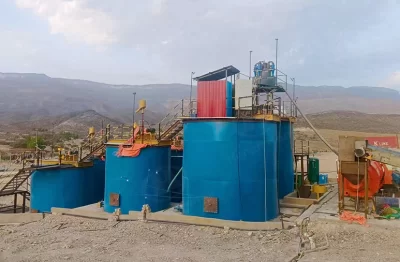
What Makes a Small-Scale Gold Leaching Plant an Option for Low-Capacity Mining? The Concept and Function of a Small-Scale Gold Leaching Plant A small-scale gold leaching plant is a compact setup built to pull gold from ore via chemical ore leaching. It fits well for jobs with scarce ore supplies or in far-off, rugged spots. The…

What Differentiates Magnetite and Hematite in Iron Ore Beneficiation? How Do the Physical and Chemical Properties of Magnetite and Hematite Affect Processing? Magnetite (Fe₃O₄) and hematite (Fe₂O₃) show notable variations in their physical and chemical traits. These traits shape beneficiation approaches in direct ways. Magnetite carries a larger amount of iron, usually near 72.4% Fe.…

Submit Request

